Elizabeth Seaman: The Reporter Who Couldn’t Escape Her Own Lie
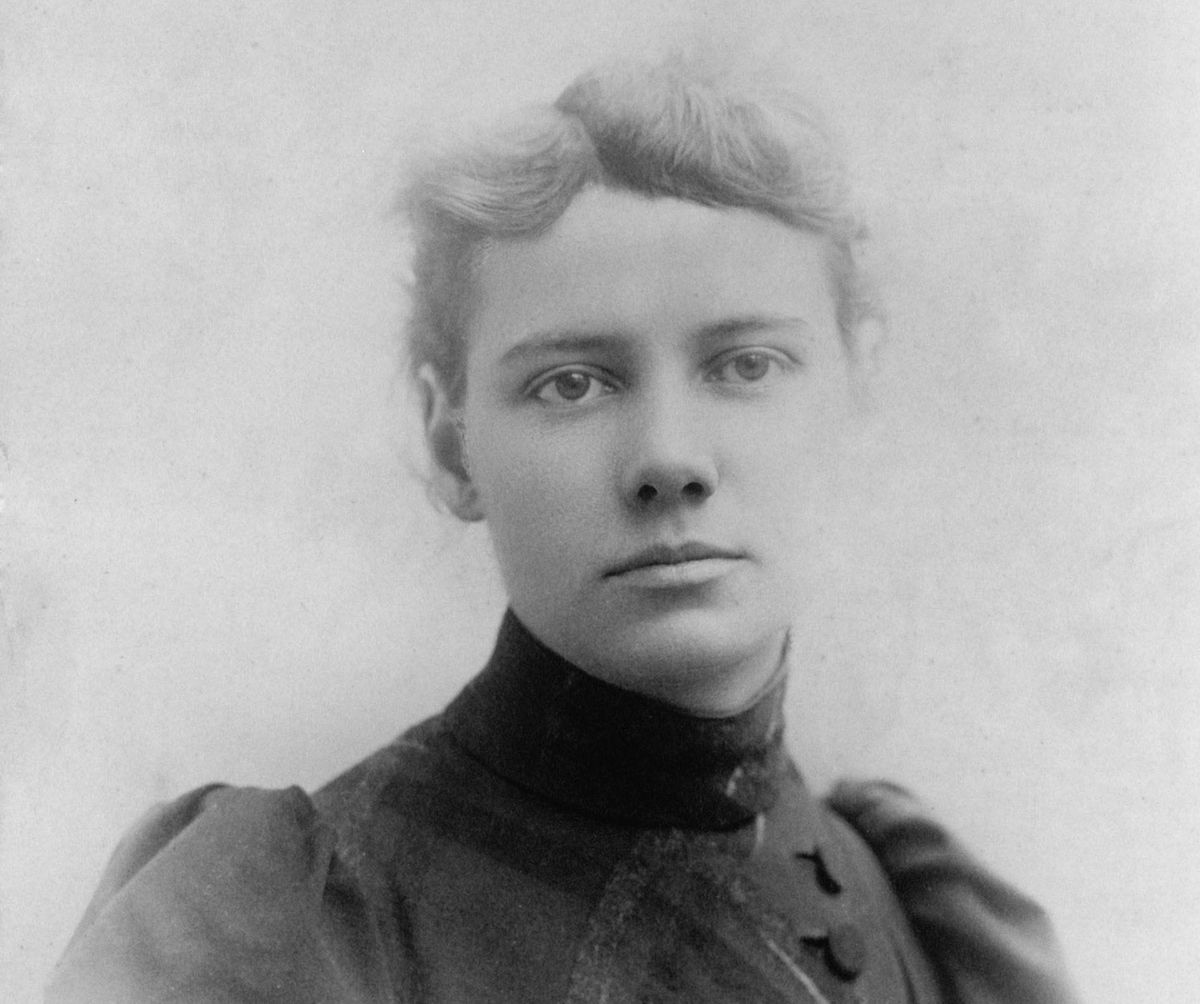
In 1887, thousands of Americans lived in mental asylums, hidden from public view. Few outsiders knew what happened inside, and those who did were rarely believed.
A twenty-three-year-old reporter decided the only way to expose the truth was to become an inmate.
Elizabeth Cochran Seaman, writing under the pen name Nellie Bly, persuaded doctors, police officers and a judge that she had lost her mind. She was committed to the Women’s Lunatic Asylum on Blackwell’s Island, with no guarantee that anyone would be able to get her out again.
The assignment came from The New York World, which wanted to investigate persistent rumours of brutality and neglect inside one of New York’s most notorious institutions. There was only one way to discover the truth: experience it from within. What Elizabeth found was worse than anyone had suspected.
Women were forced into freezing baths in dirty water, fed rotten food and made to sit silently for hours on hard benches. Nurses beat patients who complained. Many of the inmates did not appear mentally ill at all. Some spoke little English. Others had nowhere else to go.
After entering the asylum, Elizabeth abandoned her pretence. She repeatedly told doctors and nurses that she was perfectly sane and begged to be released. Nobody believed her. The false diagnosis she had created became almost impossible to escape. It proved the point she had come to investigate. Once a woman had been labelled insane, proving otherwise could be almost impossible.
Finally, after ten days, lawyers acting for the newspaper managed to secure her release.
Her articles, later published as Ten Days in a Mad-House, caused a national sensation. A grand jury investigated the asylum, New York increased funding for the care of people with mental illness, and conditions inside Blackwell’s Island began to improve.
She would later become world-famous for travelling around the world in less than 80 days. Yet it was the ten days she spent inside an asylum that changed investigative journalism.
Further reading
Ten Days in a Mad-House by Nellie Bly