Gregory C. Coleman: The Drummer Who Changed Music in Seven Seconds
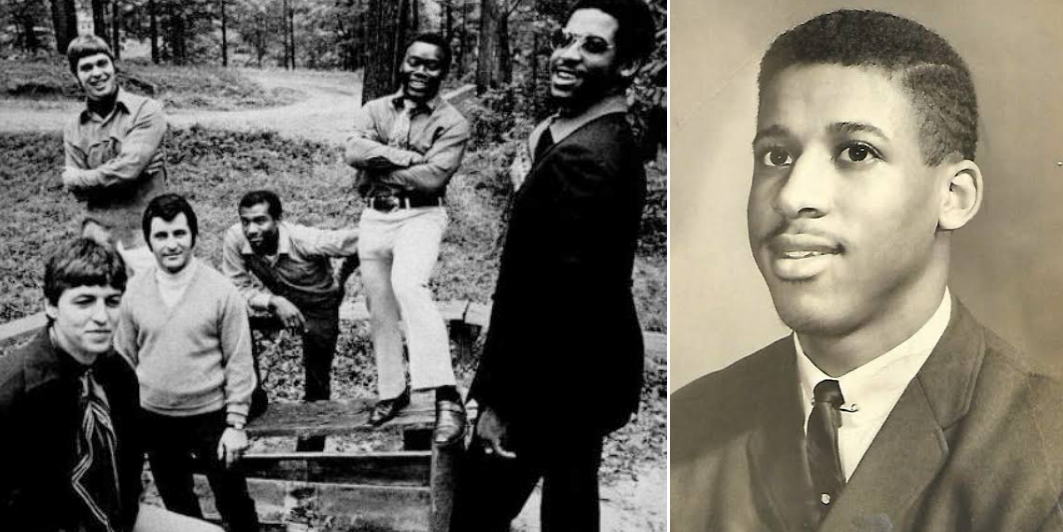
In 1969, The Winstons, a funk and soul band, entered an Atlanta studio to record a B-side for their new single, ‘Color Him Father’.
They chose ‘Amen’, a gospel song recorded by Curtis Mayfield and the Impressions, played it faster, renamed it ‘Amen, Brother’ and finished it in about twenty minutes.
The recording was too short, so the musicians began taking solos. At one minute and 26 seconds, everyone stopped except the drummer, Gregory C. Coleman.
Coleman played four bars, keeping time on the ride cymbal as the bass drum and snare shifted beneath it. He held back a snare beat, left space, then brought the band back in with an early crash.
It lasted seven seconds.
‘Color Him Father’ reached number seven on the US singles chart, sold more than a million copies and won a Grammy. The B-side disappeared.
A year later, the multiracial Winstons split up after struggling to tour, especially in the South. For the next seventeen years, Coleman’s seven seconds remained buried on a forgotten B-side.
Then two New York DJs went looking for breaks. BreakBeat Lenny and BreakBeat Lou included an edited ‘Amen, Brother’ on their 1986 record Ultimate Breaks & Beats, with Coleman’s break slowed from 45 rpm to 33 rpm.
The record arrived just as digital samplers let producers capture sound, cut it apart and turn it into something new. Within two years, Coleman’s drums had appeared on Salt-N-Pepa’s ‘I Desire’, been chopped into fresh rhythms by Mantronix on ‘King of the Beats’ and driven the opening of N.W.A.’s ‘Straight Outta Compton’.
As his drums travelled around the world, Coleman disappeared from public view. There is no evidence he ever knew what his seven seconds had become.
Born in Virginia in 1944, Coleman was once a drum major known for his broad smile, sharp clothes and halftime performances. He later played behind the Marvelettes, Otis Redding and Curtis Mayfield. After The Winstons split, he appeared on a handful of records without success.
Coleman died in Atlanta in 2006. He was 61.
The beat kept moving. British producers rebuilt it into jungle and drum & bass. It passed into rock, metal and the theme to Matt Groening’s cartoon Futurama.
WhoSampled, an online sample database, lists 7,801 tracks that sample ‘Amen, Brother’. Even that scratches the surface. Put one complete Amen break from every documented use end to end, and Coleman would play alone for about fifteen hours.
In 2026, the Library of Congress selected ‘Amen, Brother’ for preservation in the National Recording Registry. The recording had entered the American canon. Gregory C. Coleman never had fifteen minutes of fame. He had seven seconds, again and again and again.
Further reading
Bring That Beat Back: How Sampling Built Hip-Hop by Nate Patrin