László Biró: The Journalist Who Reinvented Writing
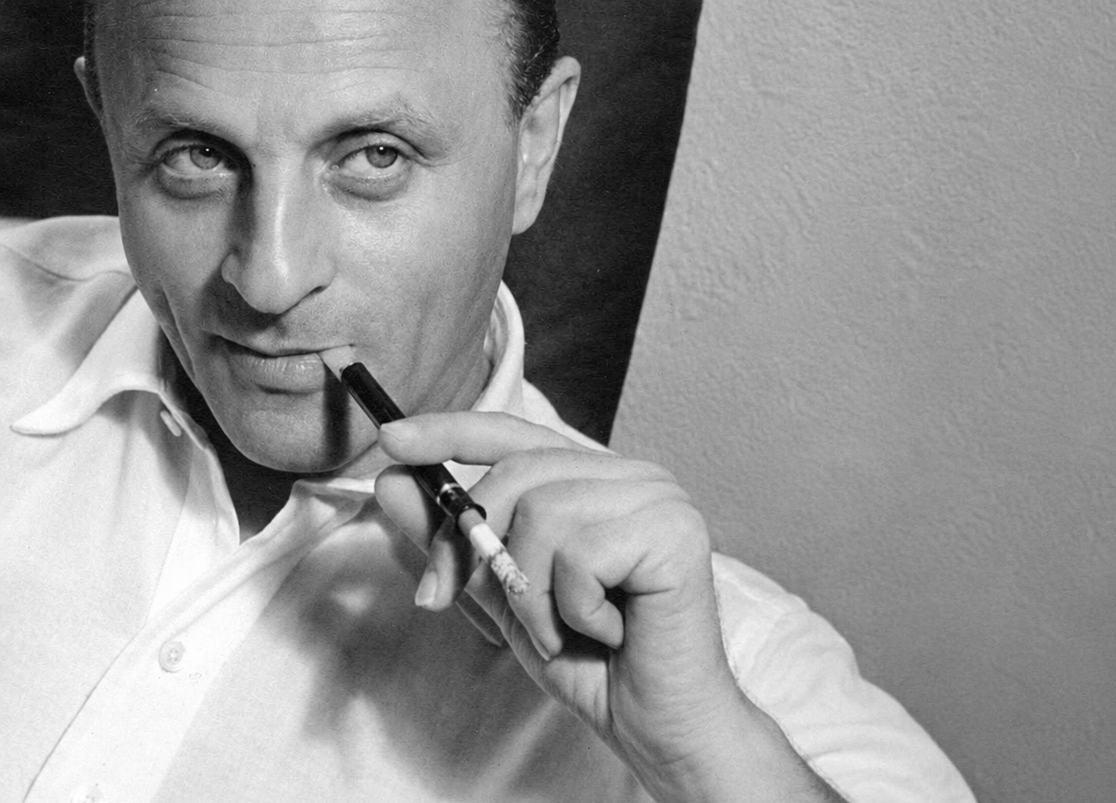
For centuries, writing came with compromises. Quill pens needed constant sharpening. Steel nibs scratched across the page. Fountain pens leaked, blotted and stained pockets with ink. Even in the twentieth century, signing a document often meant waiting for the ink to dry before folding the page.
By 1931, a Hungarian journalist named László József Bíró had simply had enough.
Working as a journalist in Budapest during the 1930s, Bíró noticed that newspaper ink dried almost instantly and left a crisp line. It was far better than the watery ink used in fountain pens. The problem was that printing ink was too thick to flow through a conventional nib.
His solution was deceptively simple. Instead of a split metal point, he placed a tiny steel ball in the tip of the pen. As the ball rolled across the paper, it picked up just enough thick ink from the reservoir and deposited it in an even line. The same ball sealed the pen when it was not in use, preventing the ink from drying out.
Bíró developed the design with his brother György, a chemist, whose expertise helped produce an ink with exactly the right viscosity. Together they patented the invention in Hungary in 1938. Then came the war.
As Jews, the brothers fled Hungary and eventually settled in Argentina, where they rebuilt their lives and their business from almost nothing. Their new pen initially attracted little attention. It was expensive and difficult to manufacture.
An important early customer was the Royal Air Force (RAF). Fountain pens leaked badly at high altitude, while Bíró’s pen continued to work reliably. Orders followed.
Bíró’s invention eventually reached French industrialist Marcel Bich, who refined the manufacturing process, shortened the spelling of his surname to Bic, and created one of the world’s most recognisable brands. The transparent BIC Cristal, introduced in 1950, became a masterpiece of industrial design.
More than one hundred billion have since been made, and millions are still sold every day. In Britain and several other countries, the pen still carries Bíró’s name.
Suggested by Andy Hirst
Further reading
The Pencil: A History of Design and Circumstance by Henry Petroski