Robert Chesebrough: The Chemist Who Sold Waste to the World
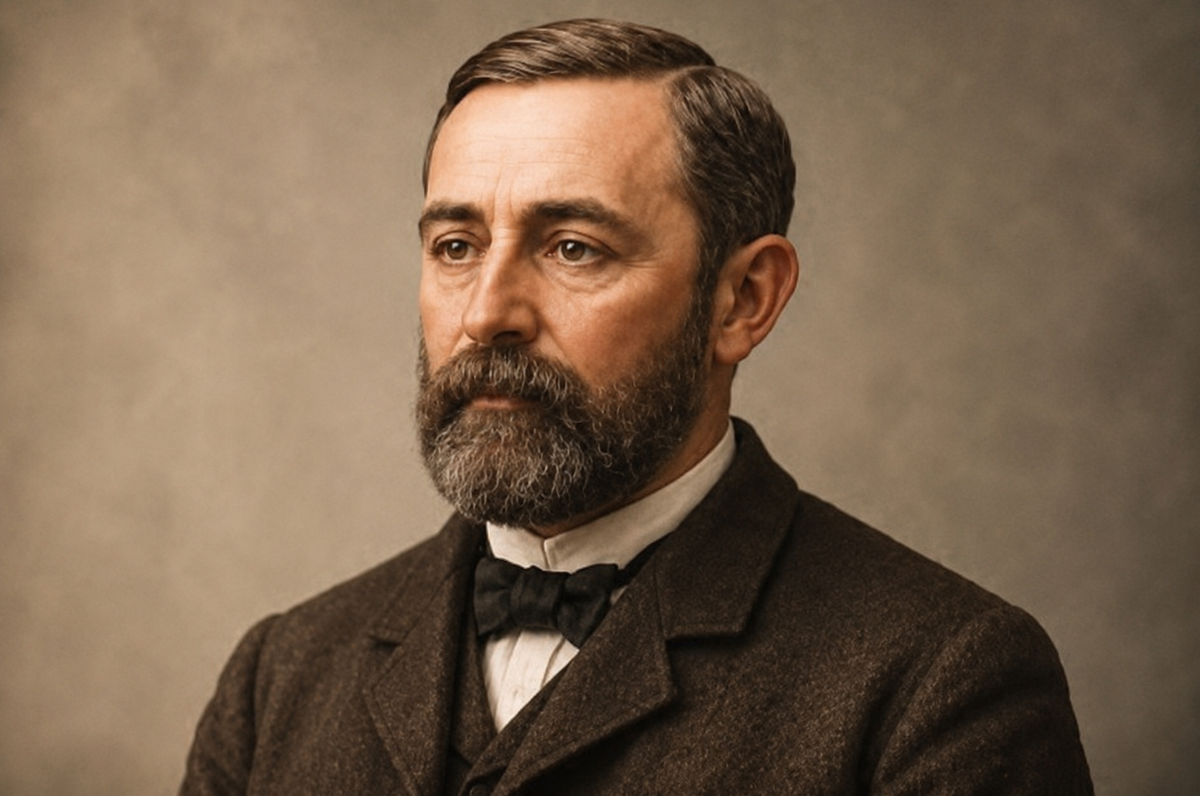
In the 1860s, oil was discovered in Pennsylvania, changing America forever. What had once been an unnoticed substance seeping from the ground suddenly became one of the world’s most valuable resources. Towns sprang up almost overnight as prospectors rushed to find ‘black gold’.
As drilling intensified, a thick, greasy residue built up on the equipment, forcing workers to pause and scrape it away.
Chemist Robert Chesebrough had earned his living refining whale oil for lamps until petroleum made that trade obsolete. Instead of holding on to a dying industry, he travelled to the oil fields in search of a new opportunity.
There, he watched workers scrape a residue known as sucker-rod wax from the drilling equipment to keep the wells running. The job was dirty and dangerous. Cuts, burns and abrasions were common, and many workers rubbed the waste material onto their wounds because it seemed to soothe them.
Chesebrough took samples home.
After months of experimenting, he refined the dark, sticky substance into a smooth, pale jelly. He named it Vaseline, combining the German Wasser (‘water’) with the Greek elaion (‘oil’) and patented it in 1872.
Nobody wanted it.
So Chesebrough became his own salesman. In front of audiences, he would cut or burn his skin, apply the jelly and invite people to watch the wounds heal. He travelled the country demonstrating the product and handing out free samples, helping to popularise a marketing technique that would later become commonplace. The demonstrations were dramatic, but they worked. Demand grew steadily.
Vaseline soon became a household staple. People used it to protect their skin, soothe minor cuts and burns, prevent chafing and moisturise dry hands and lips. Explorers took it on expeditions, soldiers carried it in their kits and families kept a jar in the medicine cabinet.
The jelly spread around the world and is still used more than 150 years later.
Today, millions of people recognise the name Vaseline. Far fewer know the name Robert Chesebrough.
Further reading
House of Invention: The Secret Life of Everyday Products by David Lindsay