Virginia Apgar: The Woman Who Gave Every Child Their First Test
For most parents, the first moments after a baby is born are filled with joy, wonder and relief.
For others, they are filled with fear, trepidation and distress.
Not every baby who seems healthy is. Not every baby who looks distressed is in danger. In the first minutes after birth, doctors and midwives have to make rapid decisions with incomplete information.
In those moments, uncertainty has cost lives.
For much of history, those decisions depended largely on experience and instinct. One doctor might rush to intervene, while another might wait. There was no simple, consistent way to judge how urgently a newborn needed help.
Virginia Apgar believed there had to be a better way.
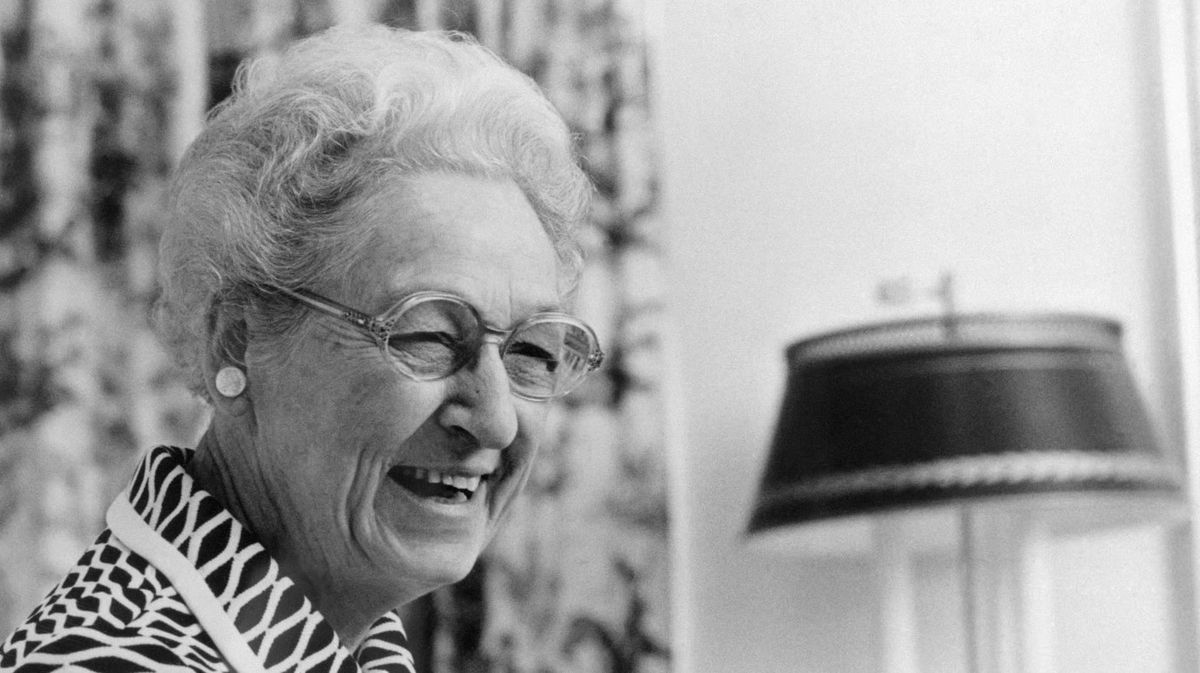
Born in New Jersey in 1909, Apgar graduated from Columbia University’s College of Physicians and Surgeons. She had hoped to become a surgeon, but at a time when few women entered the profession, she was persuaded to specialise in anaesthesia instead. Although the field attracted little prestige, it placed her at the centre of one of medicine’s most critical moments: childbirth.
While working in the delivery room, Apgar repeatedly encountered the same problem. Newborn babies were often assessed differently depending on who was examining them. The first minutes of life demanded quick decisions, yet those decisions were often subjective.
Apgar’s breakthrough was not a machine or drug. It was a heuristic, a simple decision-making tool that helped doctors and midwives make better judgements under pressure. Rather than trying to answer every medical question, she identified five signs that reliably revealed how well a newborn was adapting to life outside the womb: colour, pulse, reflexes, muscle tone and breathing. Each was scored from zero to two. Within a minute, clinicians had an objective assessment of whether a baby needed urgent treatment.
Because the assessment relied on observation and a stethoscope, it could be performed almost anywhere, from the world’s most advanced hospitals to small rural clinics, disaster zones and field hospitals. It required little equipment, cost almost nothing and could be taught quickly.
Apgar published the system in 1953. It soon became known as the Apgar Score. Later, medical students noticed that the five measures conveniently matched the letters of her surname: Appearance, Pulse, Grimace, Activity and Respiration. The mnemonic was their invention, not hers, but it helped generations of healthcare professionals remember the test.
The score transformed more than individual decisions. Because every newborn was assessed in the same way, hospitals could compare outcomes, evaluate new treatments and steadily improve standards of neonatal care. More than 70 years later, the Apgar Score remains one of the first assessments performed on babies worldwide.
Most of us took our first test before we were a minute old.
Few of us know that we have Virginia Apgar to thank for it.
Further reading
Virginia Wouldn't Slow Down!: The Unstoppable Dr. Apgar and Her Life-Saving Invention by Carrie A. Pearson