Gino Bartali: The Cyclist with a Hidden Mission
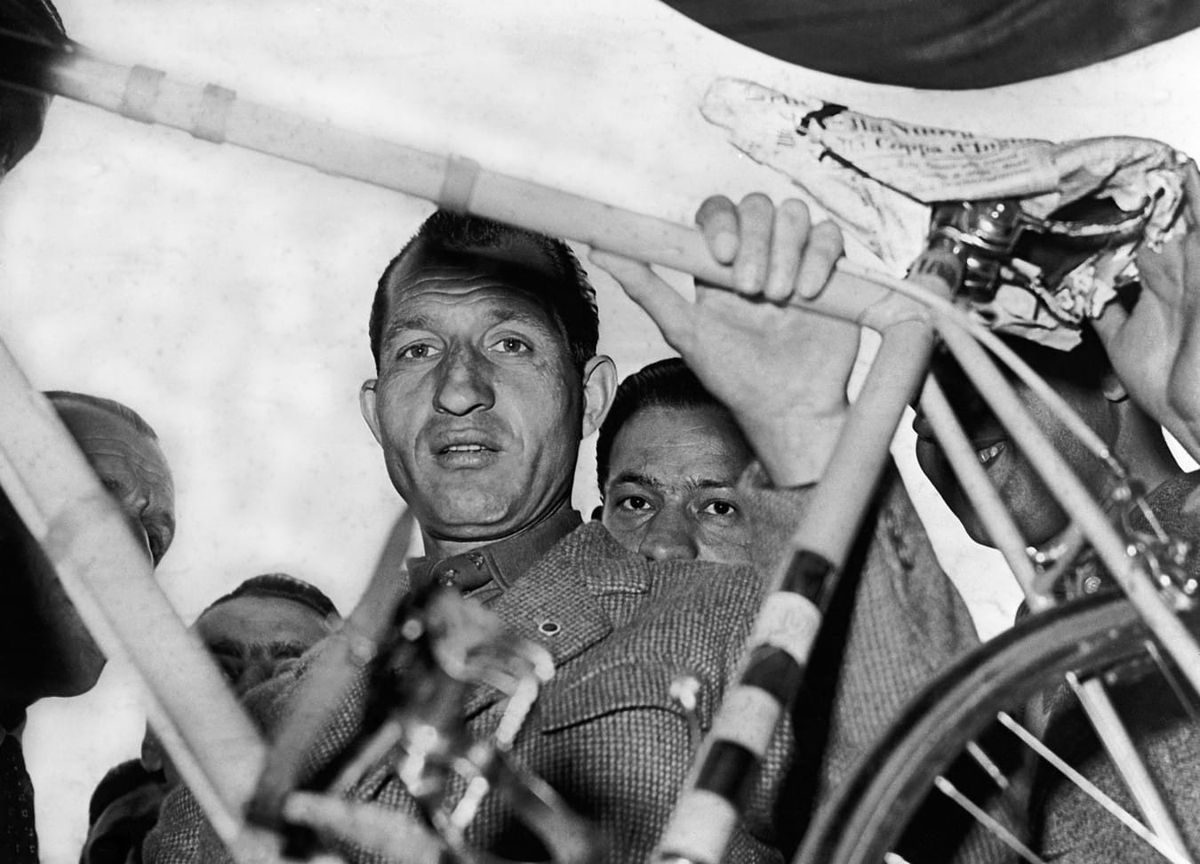
During the Second World War, an Italian cycling champion spent hundreds of miles riding the roads of Tuscany. To the Fascist authorities he appeared to be doing exactly what champions were expected to do, training for his next race.
Hidden inside the frame of his bicycle were the documents that could mean the difference between life and death for Jewish families. His name was Gino Bartali. He won the Giro d’Italia three times and the Tour de France twice, making him one of the greatest cyclists of his generation.
After Germany occupied much of Italy in 1943, Bartali was approached by members of a clandestine Catholic rescue network. They needed someone who could carry forged papers between safe houses without attracting suspicion. He agreed.
His fame became his disguise.
Every time Bartali set out on his bicycle, he carried photographs and forged identity papers hidden inside its hollow frame. If a Fascist patrol decided to dismantle the bike, the deception would be over. Instead, he insisted that no one touch the machine because it had been perfectly tuned for racing. The explanation was believable. The authorities waved him on.
Those journeys helped deliver the papers needed to create new identities for Jews in hiding.
Yet for Bartali, being a courier wasn’t enough. He also hid the Jewish Goldenberg family beneath his home in Florence, knowing that discovery could have meant imprisonment or execution for himself and his family. Historians believe the wider rescue network in which he played a vital role helped save around 800 Jews.
When the war ended, Bartali returned to racing. In 1948, ten years after his first victory, he won the Tour de France again at the age of thirty-four, one of the sport’s greatest comebacks. Almost nobody knew what he had done during the war.
Bartali never spoke about those rides. His family only discovered the truth years later. He believed that good deeds did not need an audience. Only after his death did historians piece together the full extent of his contribution. In 2013, Yad Vashem recognised him as one of the Righteous Among the Nations, honouring non-Jews who risked their lives to save Jews during the Holocaust.
Suggested by Will Shaw
Further reading
Road to Valor by Aili McConnon and Andres McConnon